NSA Technology Directorate Analysis of Converged Data
Open PDFDocument date: 2009
Pages: 1
Genre: slides
Classification: -
Dissemination: -
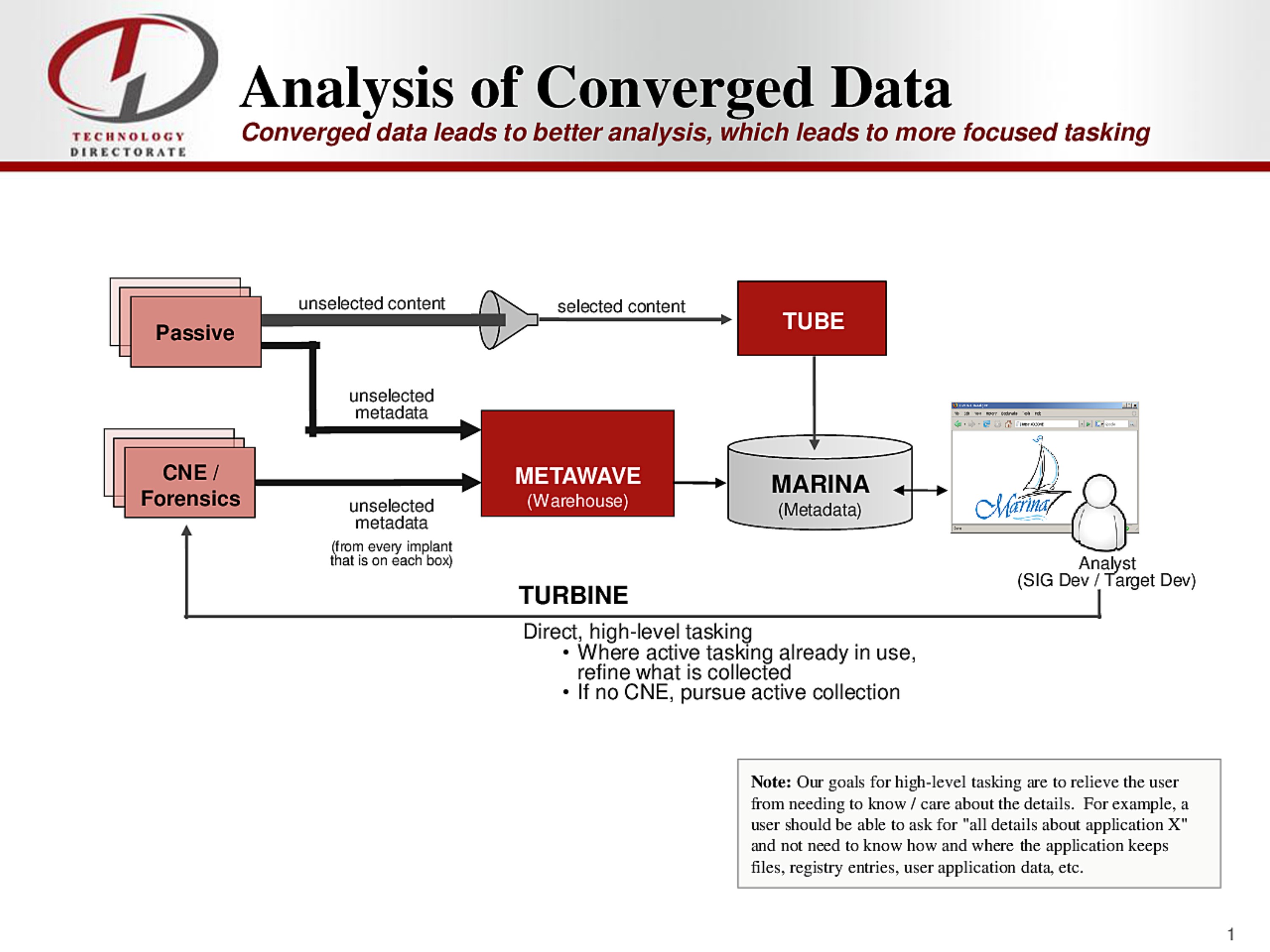
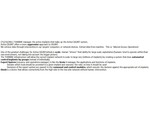
This document outlines the strategic integration of passive and active signals intelligence (SIGINT) to create a more efficient surveillance loop. The document centers on TURBINE, an intelligent command-and-control system designed to manage a massive network of malware implants (Computer Network Exploitation or CNE). The primary goal is to automate the extraction of data from targeted machines, effectively "converging" traditional passive collection with active hacking to refine intelligence tasking.
My notes
Analysis of Converged Data
TECHNOLOGY
DIRECTORATE
Converged data leads to better analysis, which leads to more focused tasking
Passive
unselected content
unselected metadata
selected content
TUBE
CNE / Forensics
unselected metadata
(from every implant that is on each box)
METAWAVE (Warehouse)
MARINA (Metadata)
Analyst (SIG Dev / Target Dev)
TURBINE
- Direct, high-level tasking:
- Where active tasking already in use, refine what is collected.
- If no CNE, pursue active collection.
Note: Our goals for high-level tasking are to relieve the user from needing to know / care about the details. For example, a user should be able to ask for "all details about application X" and not need to know how and where the application keeps files, registry entries, user application data, etc.
1
Published in the Same Report
(10 documents)
-
FOXACID Overall Briefing [pdf]
FOXACID is the NSA's exploit server infrastructure designed to gain "initial access" to target computers by tricking them into visiting malicious websites through spam emails, man-in-the-middle attacks, or split-second packet injection techniques that redirect legitimate web traffic. The document reveals how the agency has evolved from low-success spam operations (less than 1% success rate) to sophisticated "QUANTUM" techniques that achieve up to 80% success rates by exploiting web browsers through services like Yahoo and Facebook, allowing the NSA to compromise any target whose web traffic passes through monitored network chokepoints—with the chilling assessment that "if we can get the target to visit us in some sort of web browser, we can probably own them."
Programs: FOXACID · WILLOWVIXEN · GENUINEDRAFT · SECONDDATE · QUANTUMTHEORY · TURMOIL · TURBINE · WEBSNIPER · QUANTUMINSERT · QUANTUMBISCUIT · QUANTUMDIRK · QUANTUM · VALIDATOR · OLYMPUS · MISTYVEAL · SSO · STRAIGHTBIZARRE · ISLANDTRANSPORT -
Expanding Endpoint Operations SIDtoday [pdf]
Tailored Access Operations, NSA's elite hackers, are expanding their endpoint operations -- hacking directly into computers to steal information -- and are establishing the new endpoint operations remote operations center, scheduled to come online in the summer of 2005, that "is capable of managing and conducting endpoint operations on a scale that will dramatically expand collection." The physical office space of this new center will allow TAO to "grow from the current average of 20-25 of these operations per day to over 100 per day," and will allow TAO to increase the number of "active implants," or actively monitored pieces of malware, from 100-150 to thousands.
“How the NSA Plans to Infect ‘Millions’ of Computers with Malware” - The Intercept ↗ (2014-03-12) · The Intercept ↗ (2017-04-24) · “The Digital Arms Race: NSA Preps America for Future Battle” - Der Spiegel ↗ (2015-01-17) · Gallagher, Ryan · Greenwald, Glenn · Appelbaum, Jacob · Gibson, Aaron · Guarnieri, Claudio · Müller-Maguhn, Andy · Poitras, Laura · Rosenbach, Marcel · Ryge, Leif · Schmundt, Hilmar · Sontheimer, Michael -
TURBINE description [pdf]
These document excerpts introduces TURBINE, a revolutionary "Expert System" designed to solve the problem of scale in global hacking operations. Managed by the Tailored Access Operations (TAO) division, TURBINE marks the transition from manual, human-driven exploitation to automated, industrial-scale "Active SIGINT." While traditional "Passive SIGINT" involves eavesdropping on existing signals, Active SIGINT involves "intervention"—actively compromising target devices to extract data from within. TURBINE’s mission is to expand the NSA’s reach from a few thousand manual infections to a global network of millions of covert implants.
-
QUANTUMTHEORY (2010 SIGINT Development Conference) [pdf]
This 2010 NSA presentation reveals QUANTUMTHEORY, a suite of "man-on-the-side" network attack technologies that enable real-time injection and manipulation of TCP/IP connections through passive surveillance infrastructure. The system encompasses multiple specialized attack techniques including HTML redirection, DNS hijacking, botnet takeover, and database injection, deployed at Five Eyes surveillance sites worldwide.
Programs: QUANTUMTHEORY · TRAFFICTHIEF · TURMOIL · TURBINE · QUANTUM · NINJANIC · ISLANDTRANSPORT · SURPLUSHANGER · DAREDEVIL · STRAIGHTBIZARRE · QUANTUMINSERT · QUANTUMSKY · QUANTUMBOT · QUANTUMBISCUIT · QUANTUMDNS · QUANTUMBOT2 · QUANTUMCOPPER · QUANTUMMUSH · HUFFMUSH · QUANTUMSPIM · QUANTUMSQUEEL · QUANTUMSQUIRREL · INCENSOR · SMOKEYSINK · SARATOGA · QUANTUMDEFENSE · TURBULENCE“How the NSA Plans to Infect ‘Millions’ of Computers with Malware” - The Intercept ↗ (2014-03-12) · “The Digital Arms Race: NSA Preps America for Future Battle” - Der Spiegel ↗ (2015-01-17) · Gallagher, Ryan · Greenwald, Glenn · Appelbaum, Jacob · Gibson, Aaron · Guarnieri, Claudio · Müller-Maguhn, Andy · Poitras, Laura · Rosenbach, Marcel · Ryge, Leif · Schmundt, Hilmar · Sontheimer, Michael -
TURBULENCE - APEX - Active/passive Exfiltration [pdf]
This 2009 NSA presentation details APEX (Active/Passive Exfiltration), a TURBULENCE program component that combines passive collection infrastructure with active TAO implants to exfiltrate VPN and VoIP traffic from deep within target networks back to NSA collection systems. The system uses the FASHIONCLEFT protocol to tunnel captured packets through compromised routers and network devices, enabling decryption of VPN tunnels and collection of voice communications that would otherwise be invisible to passive surveillance.
Programs: TURBULENCE · TURMOIL · HAMMERSTEIN · HAMMERCHANT · FASHIONCLEFT · TUTELAGE · TURBINE · TRAFFICTHIEF · XKEYSCORE · ANALYTICS · PRESSUREWAVE · TOYGRIPPE · POISONNUT · FLAXENPRECEPT · FOGYNULL · FUNNELAPS · SHELLGREY · METROTUBE · VINYLSEAT · OLYMPUS · UNITEDRAKE · FIGBUILD · SURPASSPIN · ROOTKNOT · OPTICPINCH · SEAGULFARO · TREBLECLEF · CONVEY · PINWALE · SWEEPFORWARD · QUANTUM · KEYCARD · ASDF · TUBE · PUZZLECUBE · WEALTHYCLUSTER2 · COALSHOVEL · HAMMERMILL · ISLANDTRANSPORT · FASCIA · TURBINIE · APEX · PPF · AEG · FIP · SSO · PICARESQUE · PSP · IVE · PSC · CHIMNEYPOOL · CORESSC · FLASHHANDLE · IBRIDGE · CORALREEF · VAO · NUCLEON · PIQBLADE“The Digital Arms Race: NSA Preps America for Future Battle” - Der Spiegel ↗ (2015-01-17) · “How the NSA Plans to Infect ‘Millions’ of Computers with Malware” - The Intercept ↗ (2014-03-12) · “How the NSA Plans to Infect ‘Millions’ of Computers with Malware” - The Intercept ↗ (2014-03-12) · Appelbaum, Jacob · Gibson, Aaron · Guarnieri, Claudio · Müller-Maguhn, Andy · Poitras, Laura · Rosenbach, Marcel · Ryge, Leif · Schmundt, Hilmar · Sontheimer, Michael · Gallagher, Ryan · Greenwald, Glenn -
I hunt sys admins [pdf]
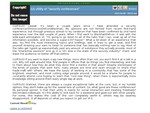
These internal documents outline the NSA’s strategy for identifying and targeting foreign system administrators to gain "keys to the kingdom" access to global network infrastructure. By correlating disparate datasets—such as passive telnet/SSH metadata and personal social media/webmail logins—the agency identifies personal accounts to facilitate QUANTUM-based hacking operations and network "pwnage."
-
Industrial-Scale Exploitation [pdf]
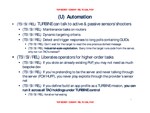
This top-secret NSA document details the operational philosophy behind the TURBINE system's transition to "industrial-scale exploitation." By integrating with both active and passive sensors, TURBINE automates the delivery of malware and the maintenance of network implants, specifically targeting routers and server-side code execution.
-
MHS Leverages XKS for QUANTUM Against Yahoo and Hotmail [pdf]
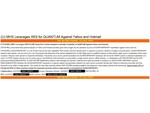
This document describes a technical study conducted at Menwith Hill Station (MHS) in the UK. The study used XKEYSCORE (XKS) to evaluate the feasibility of launching QUANTUMTHEORY "man-on-the-side" attacks against users of Yahoo and Hotmail. Analysts developed a specialized Map/Reduce analytic called DRAGGABLEKITTEN to perform deep packet analysis on bulk internet traffic. The study concluded that 90% of Yahoo sessions and 50% of Hotmail sessions contained the specific technical "keywords" (such as unique cookies or headers) within a single data packet required to trigger a successful automated injection of malware.
-
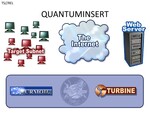
QUANTUMINSERT [pdf]
This top-secret NSA presentation provides a step-by-step visual walkthrough of a man-on-the-side (MOTS) attack. This technique allows the NSA to covertly redirect a target's web browser to a malicious server in order to install a malware implant. The diagrams illustrate the interaction between the NSA's global surveillance sensors (TURMOIL) and its automated command-and-control system (TURBINE), demonstrating how the agency exploits the fundamental "race condition" of the internet to compromise a target.
-
Case Studies of Integrated Cyber Operation Techniques [pdf]
Programs: AURORAVNC · TUTELAGE · QUANTUM · TURBINE · BOXINGRUMBLE · CLOUDSHIELD · PANDORASMAYHAM · TURMOIL · QUANTUMTHEORY · QUANTUMDNS · TAOSHOOTER · DEFIANTWARRIOR · QUANTUMINSERT · QUANTUMBOT · QUANTUMBISCUIT · QUANTUMHAND · QUANTUMPHANTOM · QUANTUMSKY · QUANTUMCOPPER · QUANTUMSMACKDOWN · QUANTUMSANDMAN · FOXACID“The Digital Arms Race: NSA Preps America for Future Battle” - Der Spiegel ↗ (2015-01-17) · “How the NSA Plans to Infect ‘Millions’ of Computers with Malware” - The Intercept ↗ (2014-03-12) · Appelbaum, Jacob · Gibson, Aaron · Guarnieri, Claudio · Müller-Maguhn, Andy · Poitras, Laura · Rosenbach, Marcel · Ryge, Leif · Schmundt, Hilmar · Sontheimer, Michael · Gallagher, Ryan · Greenwald, Glenn



Related Documents
-
TURBULENCE - APEX - Active/passive Exfiltration [pdf]
This 2009 NSA presentation details APEX (Active/Passive Exfiltration), a TURBULENCE program component that combines passive collection infrastructure with active TAO implants to exfiltrate VPN and VoIP traffic from deep within target networks back to NSA collection systems. The system uses the FASHIONCLEFT protocol to tunnel captured packets through compromised routers and network devices, enabling decryption of VPN tunnels and collection of voice communications that would otherwise be invisible to passive surveillance.
Programs: TURBULENCE · TURMOIL · HAMMERSTEIN · HAMMERCHANT · FASHIONCLEFT · TUTELAGE · TURBINE · TRAFFICTHIEF · XKEYSCORE · ANALYTICS · PRESSUREWAVE · TOYGRIPPE · POISONNUT · FLAXENPRECEPT · FOGYNULL · FUNNELAPS · SHELLGREY · METROTUBE · VINYLSEAT · OLYMPUS · UNITEDRAKE · FIGBUILD · SURPASSPIN · ROOTKNOT · OPTICPINCH · SEAGULFARO · TREBLECLEF · CONVEY · PINWALE · SWEEPFORWARD · QUANTUM · KEYCARD · ASDF · TUBE · PUZZLECUBE · WEALTHYCLUSTER2 · COALSHOVEL · HAMMERMILL · ISLANDTRANSPORT · FASCIA · TURBINIE · APEX · PPF · AEG · FIP · SSO · PICARESQUE · PSP · IVE · PSC · CHIMNEYPOOL · CORESSC · FLASHHANDLE · IBRIDGE · CORALREEF · VAO · NUCLEON · PIQBLADE“The Digital Arms Race: NSA Preps America for Future Battle” - Der Spiegel ↗ (2015-01-17) · “How the NSA Plans to Infect ‘Millions’ of Computers with Malware” - The Intercept ↗ (2014-03-12) · “How the NSA Plans to Infect ‘Millions’ of Computers with Malware” - The Intercept ↗ (2014-03-12) · Appelbaum, Jacob · Gibson, Aaron · Guarnieri, Claudio · Müller-Maguhn, Andy · Poitras, Laura · Rosenbach, Marcel · Ryge, Leif · Schmundt, Hilmar · Sontheimer, Michael · Gallagher, Ryan · Greenwald, Glenn -
TURBINE description [pdf]
These document excerpts introduces TURBINE, a revolutionary "Expert System" designed to solve the problem of scale in global hacking operations. Managed by the Tailored Access Operations (TAO) division, TURBINE marks the transition from manual, human-driven exploitation to automated, industrial-scale "Active SIGINT." While traditional "Passive SIGINT" involves eavesdropping on existing signals, Active SIGINT involves "intervention"—actively compromising target devices to extract data from within. TURBINE’s mission is to expand the NSA’s reach from a few thousand manual infections to a global network of millions of covert implants.
-
Analytic Challenges from Active-Passive Integration [pdf]
This NSA presentation examines metadata attribution challenges arising when active TAO implants exfiltrate traffic through passive TURMOIL collection infrastructure, creating conflicts where intercepted data carries dual classification markings, case notations, and legal authorities from both collection systems. The briefing highlights how existing databases and analytic tools were not designed to handle traffic with two simultaneous sets of metadata parameters, requiring enterprise-wide solutions to consistently attribute and track actively-shaped intelligence collection.
Programs: BRAVENICKEL · HAMMERMILL · APEX · MARINA · TURMOIL · PRESSUREWAVE · METROTUBE · TOYGRIPPE · HAMMERSTEIN · HAMMERSTONE · METAWAVE · TURBULENCE · SSO -
Analytic Challenges from Active-Passive Integration [pdf]
This NSA briefing addresses the technical and administrative friction caused by "shaping" operations. Shaping occurs when an active malware implant, typically situated on network infrastructure like a router, copies specific data streams and redirects them past a passive surveillance sensor such as TURMOIL. While this ensures the capture of data that might otherwise be missed, it creates a "double metadata" conflict where a single piece of intelligence carries two competing sets of identifiers: one from the active Tailored Access Operations (TAO) implant and another from the passive collection site. The document tasks analysts with finding a way to reconcile these source notations to ensure the data remains searchable and legally compliant within legacy databases.
Programs: BRAVENICKEL · HAMMERMILL · APEX · TURMOIL · HAMMERSTONE · PRESSUREWAVE · METROTUBE · TOYGRIPPE · TURBULENCE · METAWAVE · MARINA · SSO · CONVEYANCE · NUCLEON · FASCIA · HAMMERCHANT -
CNE End Point Requirements [pdf]
This NSA/GCHQ document outlines comprehensive requirements for an endpoint surveillance systems that enables analysts to systematically identify intelligence collection needs and discover appropriate tools for data extraction from compromised computers. The framework covers capabilities for remote data collection, cross-platform intelligence integration, query functions, tasking procedures, and visualization tools across implanted networks.
Programs: STARGATE · LOOKING GLASS · QUANTUM · GOLDENEYE · XKEYSCORE · MARINA · JTRIG · BROADOAK · UTT · GLOBALREACH · GLOBALSURGE · THUGGEE · EREPO · DANCINGBEAR · HAUSTORIUM · SHAREOWN · MUTANTBROTH · MOONRAKER · CARBONROD · RUFFLE · ROCKOPERA · QUINCEY · ECLIPSE · MUGSHOT · HIGHNOTE · UDAQ2 · EKB · TURBINE · ACNO · FLAMECARPET · FUMECUPBOARD · JACKPOT · SLIPSTREAM · B13B · PSC · QUINCY · DAREDEVIL · ROADBED