Banner: TOP SECRET // COMINT // REL TO USA, AUS, CAN, GBR, NZL 4 documents
Search documents matching “TOP SECRET // COMINT // REL TO USA, AUS, CAN, GBR, NZL” →The marking line each document prints.
Refine (combine with another filter, via search)
Sort: Title
Documents
-
Roger Dingledine at NSA NOV 2007 [pdf]
An NSA internal wiki page summarising a talk given at NSA on 1 November 2007 by Roger Dingledine, one of Tor's inventors, covering who Tor's users are, anonymity system design concepts, and Tor's weaknesses.
People: Dingledine, Roger -
SCS - Embassies and Consulates [pdf]
TOP SECRET Special Collection Service (SCS) documents about covert CIA/NSA spying sites operated from diplomatic facilities worldwide.
-
Special Collection Service - Pacific SIGDEV Conference March 2011 [pdf]
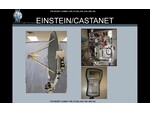
This document is a TOP SECRET briefing describing the Special Collection Service (SCS)—its organizational structure, global posture and strategic partnerships—and how SCS leverages advanced SIGINT and cyber capabilities (microwave, cellular, satellite, VPN/Internet exploitation, tools like INTERQUAKE/Einstein/Castanet/Birdwatcher) from embassy/PoP sites to collect, analyze and support intelligence and covert operations. It also outlines SCS modernization goals (unified IT core, cloud/virtualization, expanded cyber presence), operational authorities and mission advantages for enabling both SIGINT and HUMINT activities. See also Spiegel's 2013 reporting based on the same presentation (back then they only published two slides from this presentation): https://www.spiegel.de/international/germany/cover-story-how-nsa-spied-on-merkel-cell-phone-from-berlin-embassy-a-930205.html
-
Special Collection Service – Pacific SIGDEV Conference March 2011 – Supply Chain Excepts [pdf]
This top-secret 2011 NSA presentation outlines how the Special Collection Service—a joint NSA–CIA program operating from U.S. embassies—leverages its global network of “points of presence” to conduct human-enabled SIGINT and cyber operations directly inside “adversary space.” Framed as a “home field advantage,” it portrays U.S. diplomatic sites as launchpads for infiltration, surveillance, and even supply chain attacks, blurring the line between diplomacy and digital espionage.