Tag: DIGINT 4 documents
Search documents matching “DIGINT” →Free-text subjects the curators added. Unlike the other axes these are not necessarily from the documents' own vocabulary, so they are the loosest thing to browse by (and the most forgiving).
Graphs
By Banner
By Classification
Refine (combine with another filter, via search)
Sort: Title
Documents
-
Digint Imbalance [pdf]
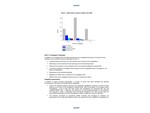
This secret MI5 report highlights a growing imbalance between the massive scale of digital intelligence (DIGINT) collection and the agency’s limited capacity to analyze it, leaving much data unassessed and creating risks of intelligence failure. It identifies major challenges in staffing, tools, and infrastructure, and calls for improved analysis, better integration with other intelligence, and new capabilities to disrupt online threats.
Marking: SECRET -
Digint Narrative [pdf]
This Digint Programme (2010 draft) outlines MI5’s plan to strengthen its ability to collect and exploit digital intelligence, addressing the growing challenge of massive internet-based data and the risk of missing critical insights. It emphasizes collaboration with GCHQ, NTAC, and other agencies to build strategic capabilities, improve exploitation of collected data, and expand coverage for counterterrorism and national security.
Marking: UK SECRETPrograms: IMP -
NTAC Overview [pdf]
This document outlines the structure, mission, and operations of the U.K.’s National Technical Assistance Centre (NTAC), a GCHQ-controlled unit responsible for enabling and managing lawful interception of communications and decryption of data across national networks. It details NTAC’s integration into GCHQ, its key role in programs like MILKWHITE, its extensive interception capacity, and the technical and resource challenges it faces in adapting to evolving telecommunications technologies.
Marking: SECRET -
PRESTON Study [pdf]
This GCHQ document details the PRESTON surveillance program, revealing that over a six-month period, 97% of intercepted communications—including calls, texts, and internet data—were not viewed by analysts despite being fully warranted, highlighting systemic challenges in processing and exploiting the vast volume of collected intelligence. It underscores the reliance on traditional PRESTON sources for events like the London G20, while noting gaps in data feeds from other repositories, reflecting both operational scale and limitations in effective oversight.